PAV 5th Edition
PAV@pakamericanvoice.com
Aug 16, 2026
A Reality Check for Delusional Hegemons
Pakistan's growing diplomatic role and the changing balance of powerin West Asia demand are assessment of old assumptions.
By Siraj Narsi
The landmark trilateral defense understanding in Mecca between Pakistan, Saudi Arabia and Turkiye signals a major change in West Asia’s security architecture. Pakistan has emerged as a central regional actor by combining military capability with careful diplomacy and by maintaining working relationships with Washington, Beijing and Moscow. Together with Saudi economic weight and Turkiye’s advanced defense industry, this partnership offers the Islamic world a stronger and more independent security framework. A NEW REGIONAL BALANCE Pakistan is turning strategic strength into wider diplomatic influence across competing blocs. The roots of this realignment can be traced to the confrontation of May 2025. India’s leadership, confident that Pakistan’s economic and political difficulties had weakened its resolve, badly misjudged the situation. Pakistan’s response challenged India’s claims of unquestioned military superiority. More importantly, Islamabad used the outcome not as an excuse for triumphalism but as leverage for a wider diplomatic initiative. India’s subsequent pressure over the Indus Waters Treaty further damaged its moral standing and deepened regional mistrust. A similar error of judgment was visible in Israel’s confrontation with Iran. Prime Minister Benjamin Netanyahu appeared to assume that technological superiority and air power would force a rapid Iranian collapse. Instead, the conflict revealed the limits of military force and the resilience of an opponent that had been underestimated. The confrontation also drew Washington into costly diplomacy and showed that battlefield dominance does not automatically produce a sustainable political result. These two crises created an opening for Pakistan. Islamabad increasingly acted as both a security partner and a diplomatic bridge. Faced with the danger of a wider U.S. -Iran confrontation, Pakistan supported ceasefire efforts and helped bring major Muslim states closer together. Engagement among Qatar, Saudi Arabia, Turkiye and Egypt, followed by improved understanding between Ankara and Riyadh, helped create the conditions for the Mecca agreement. The anxious reaction from New Delhi and Tel Aviv demonstrated how sharply the regional balance has shifted. India, having lost diplomatic room, moved closer to Netanyahu’s government. That alignment did not restore its influence; instead, it highlighted the isolation created by policies based on coercion and maximalist nationalism. Claims
A NEW REGIONAL BALANCE
Pakistan is turning strategic strength into wider diplomatic influence across competing blocs.
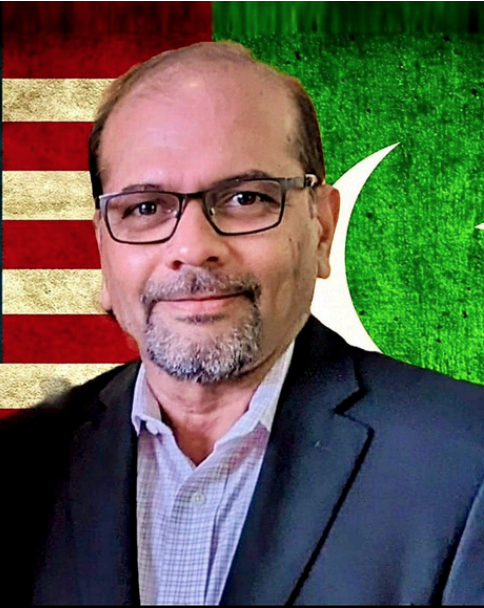
such as ‘Akhand Bharat’ and ‘Greater Israel’ may mobilize domestic audiences, but they also alarm neighbors and make lasting regional cooperation more difficult. The lesson of the past sixteen months is straightforward. Political leaders must abandon the belief that superior weapons, international connections or economic size guarantee obedience from their neighbors. Narendra Modi and Benjamin Netanyahu pursued different military adventures, yet both reflected the same dangerous hubris. The result was death, economic disruption and greater instability without the decisive political victory each had expected. Pakistan and Iran have demonstrated that middle powers can shape regional outcomes when they combine resilience with diplomacy. Pakistan’s particular achievement has been its ability to translate strategic strength into dialogue across competing blocs. Its relations with the United States, China, Russia, Saudi Arabia and Turkiye give it unusual reach at a time when older alliances are under strain. A durable peace will not come from new hegemonies replacing old ones. It will come from mutual restraint, respect for sovereignty and security arrangements that recognize the legitimate interests of every state. The sooner New Delhi and Tel Aviv abandon expansionist thinking and accept these realities, the sooner the region can move away from perpetual crisis and toward a more stable balance. ABOUT THE AUTHOR Siraj Narsi is a business finance professional, filmmaker, writer and active community volunteer. He serves on the executive and advisory boards of several nonprofit organizations and is President of the Pakistan Association of Greater Houston.