PAV 5th Edition

PAV@pakamericanvoice.com

Aug 16, 2026

Kidney disease is often called a “silent killer” because symptoms can develop slowly and remain unnoticed for months or even years. The kidneys perform vital functions, including filtering waste from the blood, regulating blood pressure, balancing fluids, and producing important hormones. When these organs begin to fail, the body may send subtle warning signals that many people ignore.

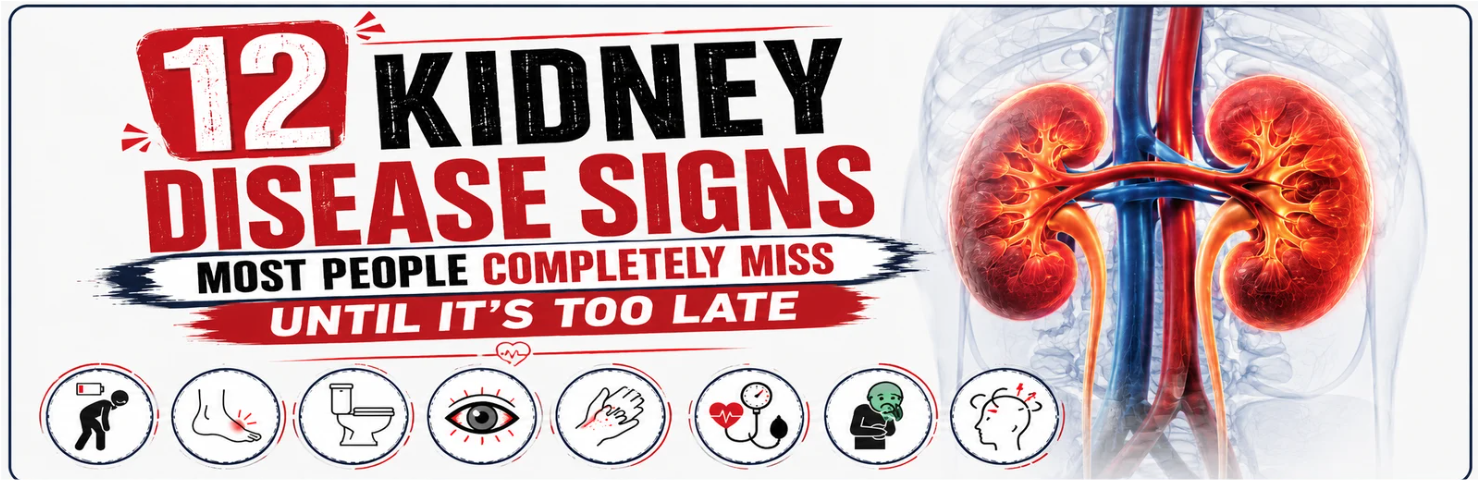
Here are 12 kidney disease signs that should never be overlooked:

1. Constant Fatigue and Weakness

Healthy kidneys help produce a hormone called erythropoietin, which stimulates red blood cell production. When kidney function declines, fewer red blood cells are produced, leading to anemia, fatigue, and persistent weakness.

2. Swelling in the Feet, Ankles, or Hands

Damaged kidneys may struggle to remove excess fluid and sodium from the body. This can cause noticeable swelling, especially in the legs, feet, ankles, hands, and even around the eyes.

3. Changes in Urination

One of the earliest signs of kidney disease is a change in urinary habits.
 

This may include:

  • Frequent urination, especially at night
  • Reduced urine output
  • Foamy or bubbly urine
  • Blood in the urine
  • Difficulty urinating

4. Persistent Puffiness Around the Eyes

Protein leaking into the urine can be an early indicator of kidney damage. This often causes swelling or puffiness around the eyes, particularly in the morning.

5. Dry and Itchy Skin

Kidneys help maintain the balance of minerals and nutrients in the body. When they fail to do so, toxins can build up in the bloodstream, leading to dry, irritated, and itchy skin.

6. High Blood Pressure

Kidneys and blood pressure are closely connected. Damaged kidneys can cause hypertension, while uncontrolled high blood pressure can further damage the kidneys, creating a dangerous cycle.

7. Loss of Appetite

A buildup of waste products in the blood can alter the sense of taste and reduce appetite. Many people with kidney disease report feeling full quickly or losing interest in food.

8. Nausea and Vomiting

As toxins accumulate in the body, they can cause digestive discomfort, nausea, and even frequent vomiting, especially in advanced stages of kidney disease.

9. Muscle Cramps

Kidney dysfunction can disrupt the balance of electrolytes such as calcium, sodium, and potassium. This imbalance often leads to painful muscle cramps and spasms.

10. Trouble Concentrating

Reduced kidney function may decrease oxygen delivery to the brain due to anemia. As a result, people may experience poor concentration, memory issues, dizziness, or confusion.

11. Shortness of Breath

Fluid buildup in the lungs or anemia caused by kidney disease can make breathing difficult. Many people notice they become short of breath during activities that were once easy.

12. Metallic Taste and Bad Breath

Waste products accumulating in the bloodstream can create a metallic taste in the mouth and cause unpleasant breath odor, a condition sometimes referred to as “uremic breath.”

Related News
