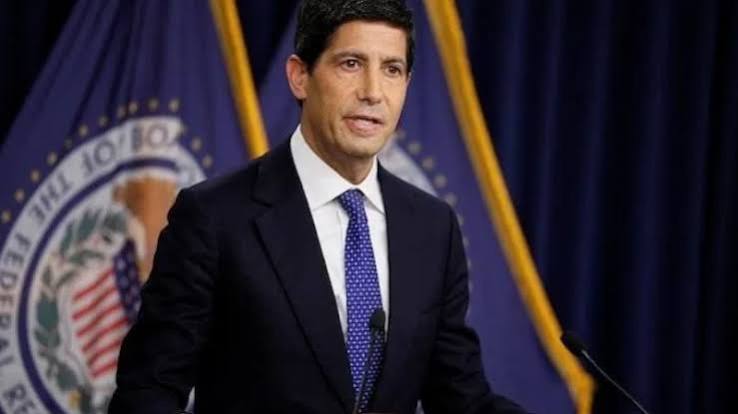
The U.S. Federal Reserve has raised its benchmark interest rate for the first time since 2023, moving its target range to 3.75%–4.00% as policymakers seek to contain persistent inflation. The quarter-point increase marks a significant shift in monetary policy after a prolonged period in which borrowing costs had been kept lower.
Federal Reserve officials have indicated that inflation remains a concern despite signs of continued economic activity. The decision is expected to affect borrowing costs for households and businesses, including mortgages, auto loans, credit cards and other forms of consumer credit.
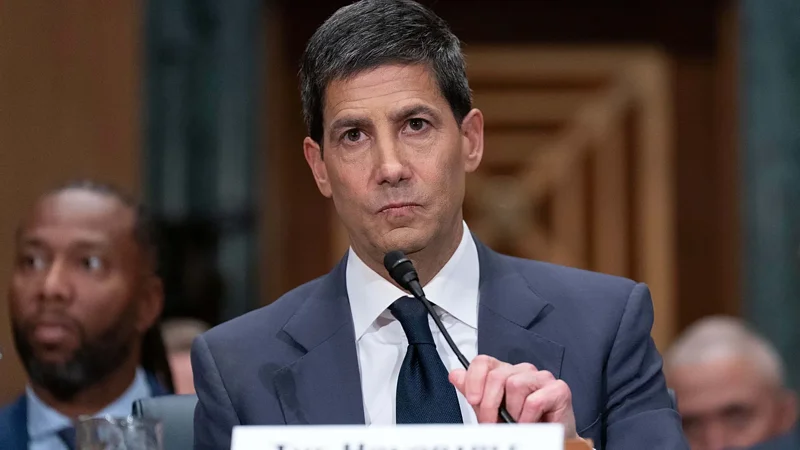
The rate increase also comes as Americans continue to face elevated costs for housing, food, energy and other essential goods. Higher interest rates can slow consumer spending and business investment by making borrowing more expensive, while potentially providing support to savers through higher returns on some deposits and fixed-income investments.
Financial markets reacted to the decision, with investors closely watching comments from Federal Reserve officials for indications about the direction of monetary policy during the remainder of 2026.
The move is also being closely followed internationally because changes in U.S. interest rates can influence the value of the dollar, global borrowing costs and capital flows.
The Federal Reserve’s decision comes amid continuing debate over how quickly inflation can return to more stable levels without placing excessive pressure on economic growth.